Exploring Essential Components for Quality Construction
Drywall is a staple in modern construction, playing a crucial role in creating smooth and durable interior walls. This versatile material is favored for its affordability and ease of use. Understanding the types and applications of drywall can ensure better outcomes in building projects. Whether you are a homeowner or contractor, knowing more about drywall materials will help you make informed decisions.
Different Types of Drywall
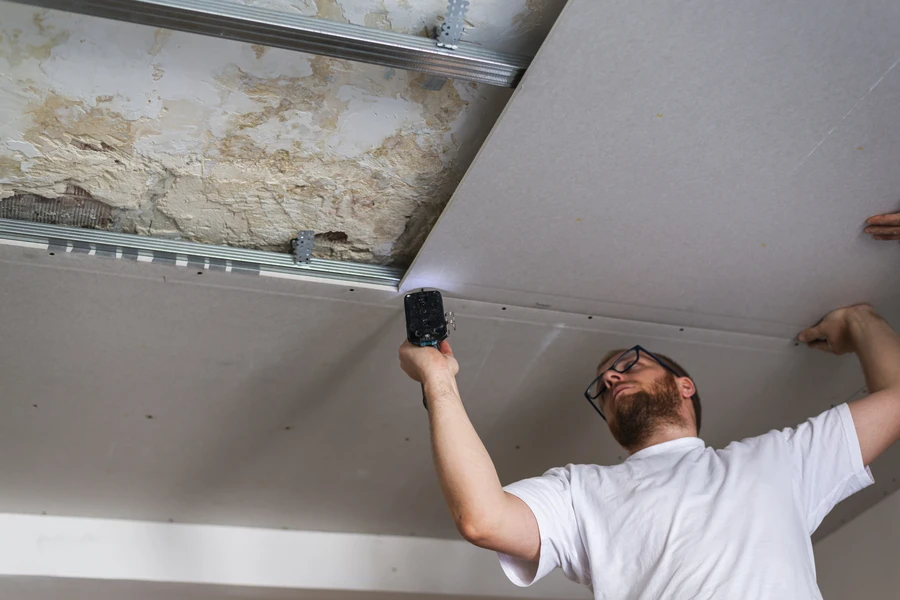
There are several types of drywall to consider for your project. Standard drywall is commonly used in residential settings, while moisture-resistant drywall is ideal for areas prone to dampness like bathrooms and kitchens. Fire-resistant drywall offers added safety and is often used in garages or utility rooms. Each type serves a unique purpose and choosing the right one enhances the longevity and functionality of your space.
The Importance of Proper Installation
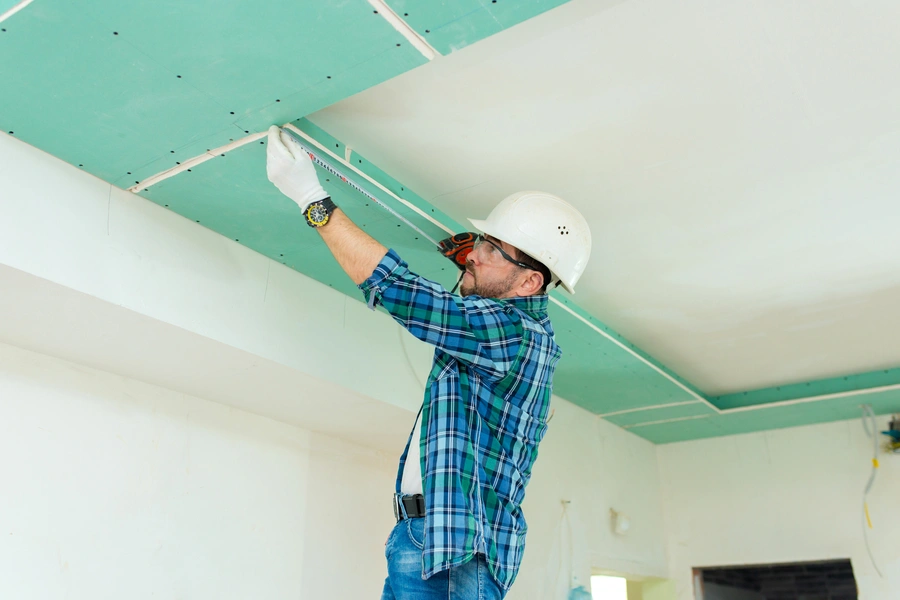
Selecting the right drywall material is only part of the process. Proper installation is key to achieving a seamless finish. During drywall installation, it’s important to avoid gaps and misalignments that could affect the wall’s appearance and integrity. This means measuring accurately and using appropriate tools to cut and fix the panels securely. Taking these steps ensures a professional-looking outcome.
Benefits of Using Drywall
Drywall offers numerous benefits beyond aesthetics. It provides excellent fire resistance due to its gypsum core, which helps slow down the spread of flames. Additionally, drywall improves energy efficiency by adding an extra layer of insulation. Its soundproofing qualities also contribute to a quieter home environment, which can increase comfort and privacy for occupants.
Common Issues With Drywall Installation
Even with careful planning, problems can arise during drywall installation. Cracks may develop due to shifting foundations or improper joint treatment. Another common issue is bubbling, which occurs when tape or compound isn’t applied correctly. Recognizing these challenges early allows for timely corrections and prevents further complications down the line.
Solutions to Common Drywall Problems
Tackling drywall issues begins with proper diagnosis. For cracks, reinforcing joints with mesh tape before applying compound can provide stability. To address bubbling, ensure surfaces are clean and dry before application. Regular inspections and maintenance can help identify potential issues before they escalate into major repairs, saving time and costs in the long run.
Best Practices for Maintaining Drywall
Maintaining drywall involves regular checks and addressing minor damages promptly. Keep an eye out for signs of wear such as dents or holes, which can be patched up with spackle or joint compound easily. In high-traffic areas, opt for washable paint finishes that protect against scuffs and stains.
- Inspect walls regularly for damage
- Use quality compounds for repairs
- Choose protective paint finishes
Cost Considerations When Choosing Drywall
The cost of drywall varies depending on type and brand. While standard drywall is economical, specialized versions like moisture or fire-resistant boards are pricier. However, investing in higher-quality materials can prevent costly repairs later. Consider long-term needs and potential savings when budgeting for your project.
Get Expert Help With Your Drywall Needs
If you’re considering a renovation or new build in Palmdale, CA, reaching out to professionals can streamline your project. They ensure that all aspects from selection to installation meet high standards. Our team at Alanis Drywall Inc specializes in helping clients choose the right materials and techniques to achieve lasting results. Contact us today at (661) 312-4487 to discuss how we can assist with your drywall needs.