How to Address Gaps at the Top of Your Walls
If you’ve ever noticed a gap between your ceiling and walls, you’re not alone. This common issue can occur due to settling homes or imperfect construction. While it might seem like a minor cosmetic problem, these gaps can lead to more significant issues over time. Dust, bugs, and drafts can find their way in, making your home less comfortable. Fortunately, there are effective solutions available. One such solution is using decorative trim work to fill those spaces beautifully and effectively.
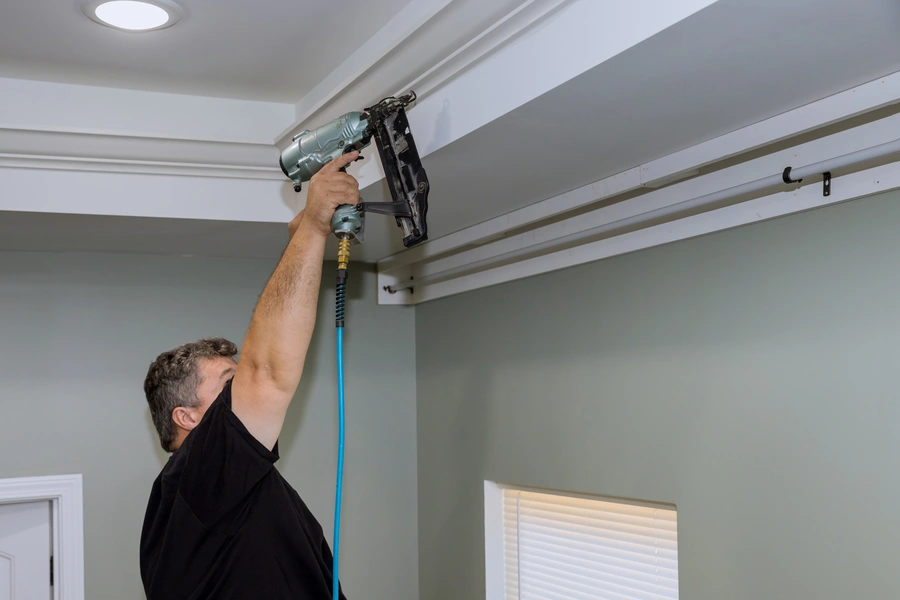
The Benefits of Using Decorative Trim Work
Decorative trim work offers several advantages when addressing ceiling gaps. Firstly, it provides a finished look that enhances the aesthetic appeal of any room. Secondly, it helps seal off gaps to prevent dust and insects from entering. Lastly, it adds value to your home by giving rooms a polished appearance. By incorporating elements like crown molding into your design, you can achieve both form and function.
Common Challenges With Ceiling Gaps
Ceiling gaps present several challenges for homeowners. These gaps can vary widely in size and shape, making standard solutions inadequate. Additionally, uneven ceilings or walls can complicate efforts to install conventional trim. Many homeowners also worry about the cost and time involved in fixing these issues. As such, finding a tailored solution that fits your specific needs becomes vital.
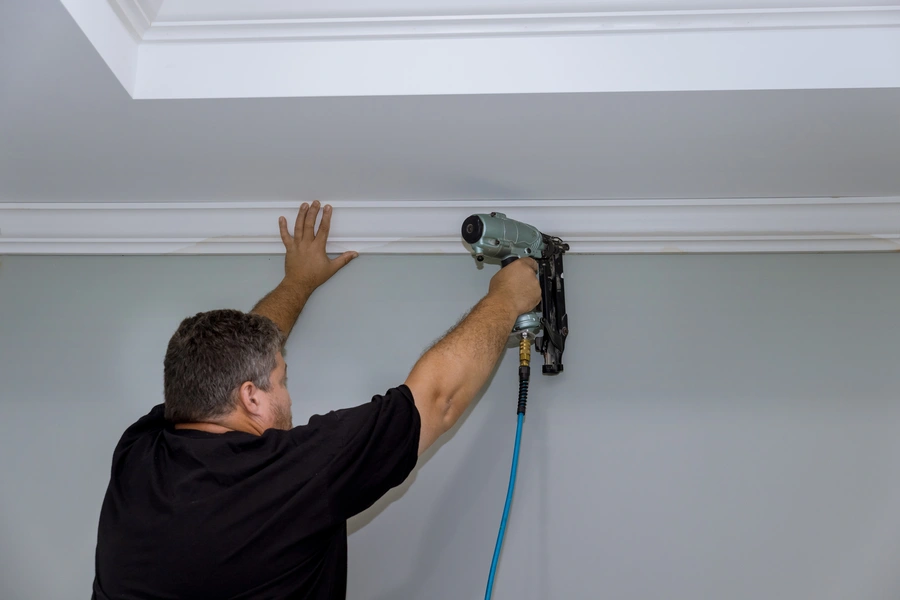
Using Crown Molding as a Solution
Crown molding is an excellent option for solving ceiling gaps. It bridges the space between walls and ceilings gracefully while also adding architectural interest. Moreover, crown molding can be customized to fit any home style, whether traditional or modern. This flexibility makes it a preferred choice for many seeking an elegant yet practical solution to their ceiling gap woes.
Steps to Installing Decorative Trim Work
Installation is key when opting for decorative trim work to solve ceiling gaps. Here are some essential steps:
- Measure the area accurately to determine material needs
- Select the right type of decorative trim that complements your home design
- Prepare the surfaces by cleaning and smoothing them
- Install the trim carefully, ensuring it’s level and secure
- Paint or finish the trim to match your interior decor
Best Practices With Trim Installation
Expert recommendations suggest several best practices when installing decorative trim work. Ensuring all measurements are precise will help avoid mistakes. It’s also advisable to use high-quality materials for durability. Another tip is to seek professional assistance if you’re unsure about the installation process. A well-installed piece of decorative trim can significantly improve your home’s appearance and functionality.
Industry Standards for Decorative Trim Work
When tackling ceiling gaps with decorative trim work, it’s crucial to consider industry standards. Quality craftsmanship ensures long-term satisfaction and safety. Key standards include correct material selection, proper spacing between fasteners, and adherence to local building codes. Paying attention to these factors guarantees that your project meets both aesthetic and functional criteria.
Cost Factors in Solving Ceiling Gaps
The cost of using decorative trim work varies based on several factors. Material types range from simple wood trims to elaborate plaster options, affecting the budget significantly. Labor costs also play a role if professional installation is required. Homeowners should weigh these expenses against the benefits of enhanced aesthetics and improved sealing capabilities.
Your Path Forward With Expert Help
Tackling ceiling gaps doesn’t have to be daunting. At Alanis Drywall Inc, we specialize in providing custom solutions tailored to your needs. Our team in Palmdale, CA is ready to assist you with expert guidance and skilled workmanship. Call us today at (661) 312-4487 to explore how we can help beautify your home effortlessly.