The Importance of Getting It Right
When working on a construction or renovation project, the proper installation of interior wall panels is crucial. Many homeowners and DIY enthusiasts attempt these tasks themselves, often leading to mistakes that can affect the overall quality and longevity of their walls. In this guide, we’ll explore the most common errors made during this process and provide tips to help you achieve professional results.
The Impact of Poor Surface Preparation
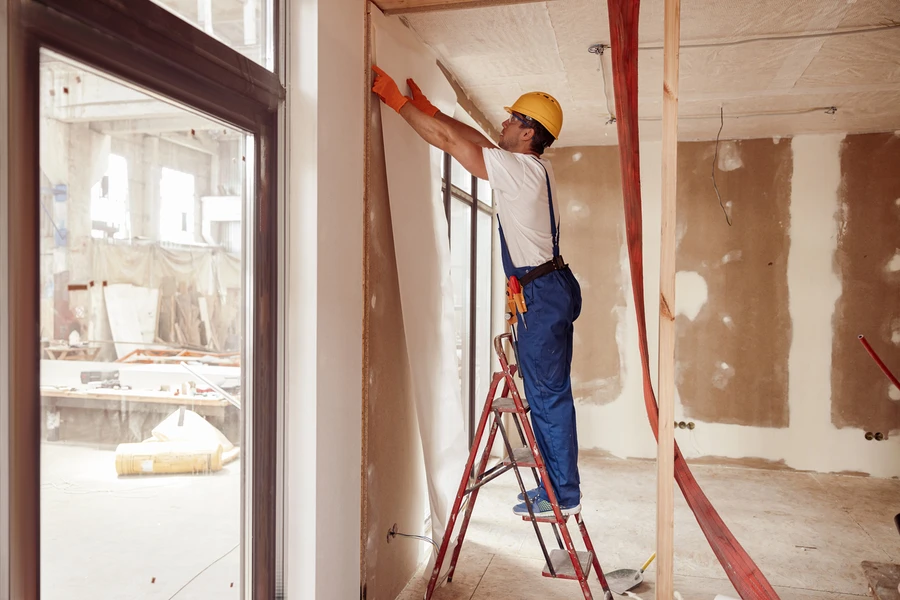
A significant mistake in the installation process is neglecting surface preparation. Before starting, ensure your surfaces are clean and dry. Dust, moisture, and debris can cause adhesion issues, leading to weak joints and potential cracks over time. Spending time on thorough preparation sets a solid foundation for your project.
Choosing Quality Materials
Selecting subpar materials can have long-lasting effects on your work. During drywall installation, use high-quality wall panels and adhesives. This choice ensures durability and reduces the likelihood of problems like cracking or sagging. Invest in reliable products to save time and money in the future.
Avoiding Common Measuring Errors
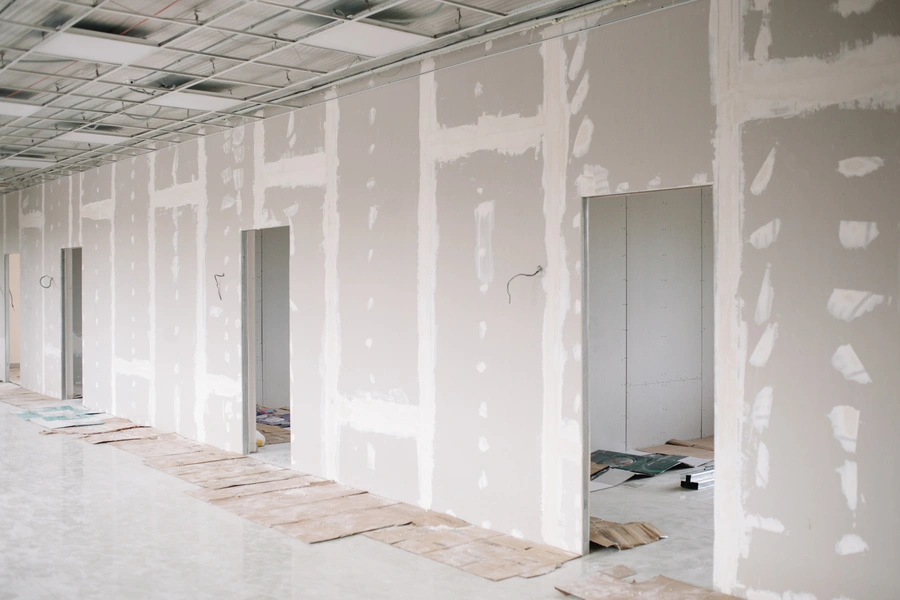
Accurate measurements are key to success. Often, individuals make errors when measuring or cutting panels, resulting in gaps or misaligned seams. Always double-check measurements before making cuts. Using precise tools can also improve accuracy and prevent costly mistakes.
Pay Attention to Fastening Techniques
Proper fastening techniques are vital for secure panel attachment. Avoid using too few screws or nails, as this can lead to loose panels. Ensure fasteners are placed at appropriate intervals and driven just below the surface without breaking the paper layer. Solid fastening techniques contribute significantly to the integrity of your work.
Joint Taping Challenges
Applying joint tape correctly can be tricky for beginners. Improper taping can result in visible seams or bubbling. Use sufficient pressure when embedding tape into joint compound to avoid air pockets. A smooth application will create seamless transitions between panels.
Sanding for Smooth Finishes
Achieving a flawless finish requires careful sanding. Rushing through this step may leave rough areas, affecting paint application later on. Use fine-grit sandpaper and check for uneven spots under good lighting conditions. Taking your time with sanding will result in a polished appearance.
The Final Touch: Painting
The painting phase is where attention to detail matters most. Skipping primer or selecting low-quality paints can diminish the final look. Apply primer before painting to ensure even coverage and vibrant colors. Investing in good-quality paint enhances the visual appeal and protects against wear over time.
Your Trusted Partner for Wall Solutions
For successful projects, avoiding common pitfalls is essential. At Alanis Drywall Inc, we prioritize quality and professionalism. Our team in Palmdale, CA is ready to assist you with expert advice and reliable services. Contact us at (661) 312-4487 to discuss your needs further and ensure a smooth experience.